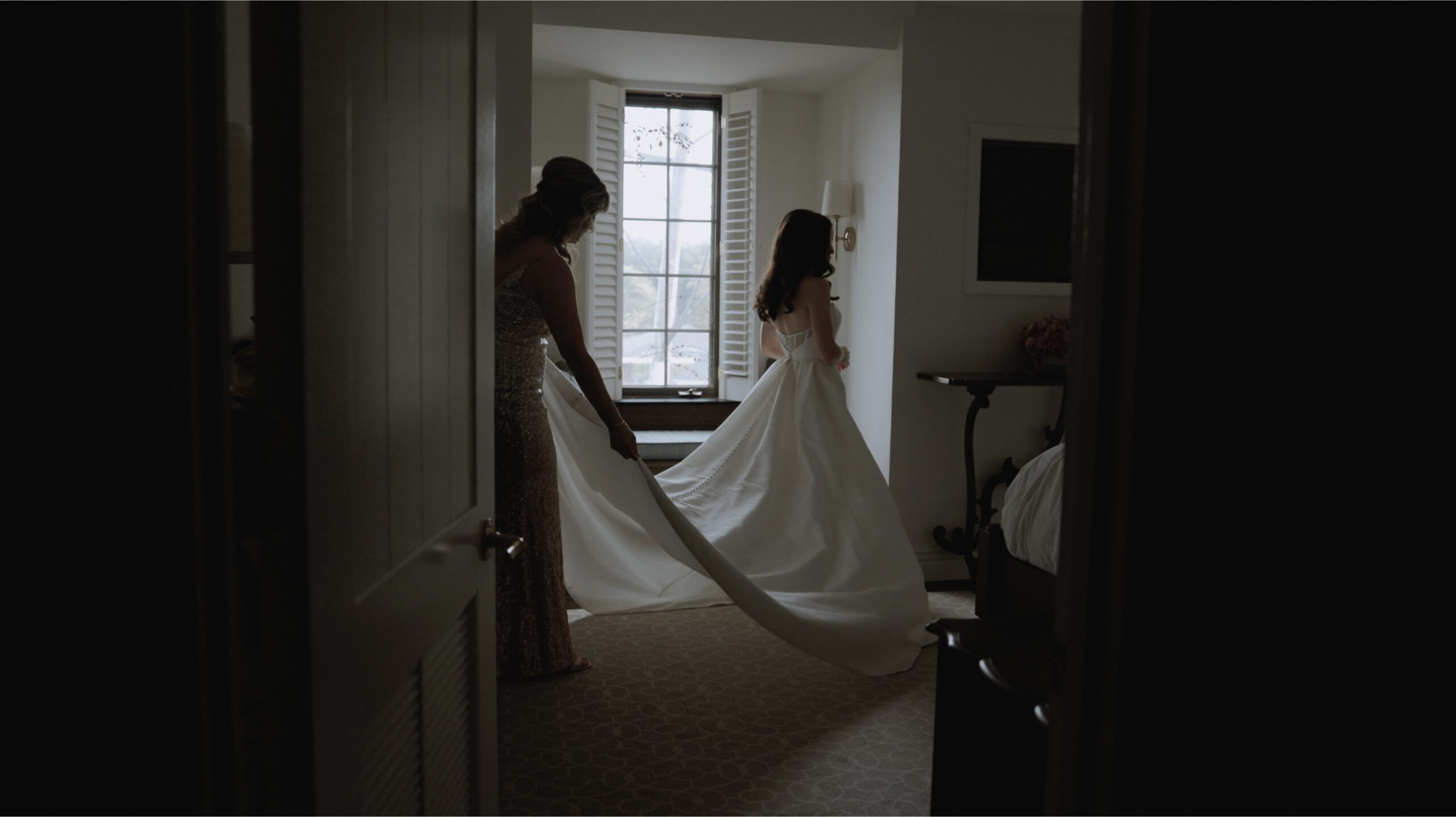

Your wedding video will be watched countless times over the years—shouldn’t it perfectly capture who you are as a couple? With so many wedding videography styles to choose from, finding the right approach to document your special day is a crucial decision that impacts how your memories will be preserved for decades to come.
Wedding videography styles are the different approaches videographers use to capture and edit wedding footage, each creating distinct emotional impacts and storytelling methods. The style you choose will fundamentally shape how your wedding story is told and how you’ll relive those precious moments for years to come. From cinematic masterpieces to authentic documentary approaches, today’s luxury wedding videography offers numerous options beyond the traditional wedding videos of the past.
In this comprehensive guide, we’ll explore the full spectrum of wedding videography styles, helping you understand the unique characteristics of each approach and how to select the style that best reflects your personality, preferences, and vision for your wedding day memories.
The Evolution of Wedding Videography
Wedding videography has undergone a remarkable transformation over the decades. What began as simple documentation has evolved into sophisticated artistic storytelling that rivals Hollywood productions in quality and emotional impact.
From Basic Documentation to Artistic Expression
In the early days of wedding videography, the traditional wedding video style consisted primarily of stationary cameras on tripods recording ceremonies from fixed positions. These videos were often lengthy, unedited documentations with minimal creative input. The focus was purely on capturing the event rather than telling a story.
As technology advanced, so did the possibilities for wedding videography. The introduction of more portable cameras allowed videographers to move freely, capturing more dynamic shots and different perspectives. This mobility revolutionized the way weddings were filmed, enabling more creative approaches.
The Digital Revolution
The shift from analog to digital formats marked a significant turning point in wedding videography. Digital technology not only improved image quality but also democratized editing capabilities. Suddenly, videographers could experiment with different styles, effects, and storytelling techniques that were previously inaccessible.
The introduction of DSLR cameras capable of shooting high-quality video around 2008 was perhaps the most significant technological advancement that shaped contemporary wedding videography. These cameras offered cinematic depth of field and low-light capabilities at a fraction of the cost of traditional cinema cameras, allowing videographers to create film-like wedding videos that were previously impossible to achieve without substantial budgets.
The Social Media Influence
Today’s wedding videos are heavily influenced by social media and online sharing culture. Couples now often request shorter highlight films (3-10 minutes) optimized for online platforms in addition to longer documentary-style recordings. This shift has pushed videographers to condense storytelling while maximizing emotional impact in shorter timeframes.
Modern couples have also come to expect more personalized and cinematic results, influenced by the wedding films they see online. This has elevated expectations and pushed the industry toward more creative, artistic approaches that blend multiple styles to create unique wedding day narratives.
Understanding Wedding Videography Styles: An Overview
Before diving into specific styles, it’s important to understand that wedding videography styles differ fundamentally in their approach, shooting techniques, editing methods, and final product. These differences aren’t merely aesthetic—they reflect different philosophies about how to best capture and preserve wedding memories.
Key Differentiating Factors
- Shooting approach: How videographers interact with the wedding day—from highly directed to completely unobtrusive
- Camera techniques: The types of shots, movements, and framing used
- Editing style: How footage is assembled, paced, color-graded, and enhanced
- Music and sound: How audio is captured, mixed, and paired with visuals
- Storytelling method: Chronological documentation vs. non-linear emotional narratives
- Final deliverables: Length, format, and purpose of the final video products
It’s worth noting that many professional videographers blend multiple styles to create unique wedding films that incorporate the best elements of various approaches. Your videographer might use documentary techniques during the ceremony for authenticity but employ cinematic approaches during couple portraits for dramatic effect.
The style you choose significantly affects pricing, production timeline, and equipment requirements. More elaborate styles like luxury cinematic approaches typically require multiple videographers, specialized equipment, and extensive post-production work, reflecting higher investment levels.
Most importantly, there is no single “best” style—the right choice depends entirely on your preferences, wedding atmosphere, personality, and how you plan to enjoy your wedding film in the years to come. Some couples value artistic interpretation while others prioritize comprehensive documentation of every moment.
Cinematic Wedding Videography
Cinematic wedding videography transforms your wedding day into a movie-worthy production with dramatic shots, creative transitions, artistic color grading, and emotionally-matched music. This approach borrows techniques from filmmaking to create a polished, emotionally evocative final product.
Characteristics of Cinematic Wedding Films
Cinematic wedding films are instantly recognizable for their:
- Dramatic camera movements (sweeping, tracking, and aerial shots)
- Selective focus with beautiful bokeh (background blur)
- Slow-motion sequences capturing emotional moments
- Creative composition following cinematic principles
- Thoughtful color grading creating specific moods and atmospheres
- Carefully synchronized music that enhances emotional impact
- Narrative-driven editing that prioritizes emotional flow over chronology
The result is a wedding film that feels like a professional movie production—polished, emotive, and visually stunning. This style emphasizes beauty, romance, and the cinematic quality of life’s most significant moments.
Equipment and Techniques
Creating truly cinematic wedding videos requires specialized equipment:
- Professional cinema cameras with high dynamic range
- Multiple prime lenses for varying focal lengths and depth of field
- Stabilization equipment (gimbals, sliders, and steadicams)
- Drones for aerial perspectives
- Professional lighting equipment
- High-quality audio recording devices
The editing process is equally important, involving:
- Color grading to create specific emotional tones
- Sound design incorporating ambient sounds, music, and dialogue
- Pacing that builds emotional momentum
- Selective use of wedding day audio (vows, toasts) as narrative elements
Best For
Cinematic wedding videography works particularly well for couples who:
- Value artistic interpretation of their wedding day
- Appreciate film and cinematic aesthetics
- Have chosen visually striking venues with architectural interest
- Want a shorter, emotionally-impactful highlight film
- Are comfortable with some direction to create beautiful moments
While this style typically requires higher investment due to the equipment and post-production involved, the result is a timeless wedding film with exceptional production value that will impress for generations.
As Style Me Pretty highlights in their wedding cinematography discussions, the cinematic approach has become increasingly popular as couples seek wedding films that evoke the emotional atmosphere of their day rather than simply documenting it.
Documentary Wedding Videos
Documentary wedding videography takes a fundamentally different approach from cinematic styles by focusing on authenticity and reality rather than stylized perfection. This journalistic approach captures events as they naturally unfold with minimal interference from the videographer.
The Authentic Approach
The documentary style is defined by:
- Natural, unposed moments captured as they happen
- Minimal direction or interference from the videographer
- Focus on genuine emotions and interactions
- Chronological storytelling that follows the day’s natural flow
- Less stylized editing that maintains authenticity
- Natural lighting and environmental sound
- Comprehensive coverage of the day’s events
While cinematic approaches create a heightened, idealized version of your wedding, documentary videography aims to preserve the authentic reality—including the spontaneous, unplanned moments that often become the most cherished memories.
Shooting Techniques
Documentary videographers employ specific techniques to remain unobtrusive while capturing genuine moments:
- Anticipating emotional moments before they happen
- Strategic positioning to capture reactions without being intrusive
- Using longer lenses to maintain distance while capturing intimacy
- Handheld camera work that allows quick movement and adaptability
- Natural lighting rather than elaborate lighting setups
- Capturing ambient audio and conversations
The editing approach typically maintains chronological integrity while still creating a cohesive narrative. Color grading is more natural and realistic, avoiding heavily stylized looks in favor of true-to-life colors.
Perfect For
Documentary wedding videos are ideal for:
- Camera-shy couples who don’t want to feel “performed”
- Those who value authenticity over stylization
- Couples with vibrant, dynamic friend groups and families
- Weddings with meaningful cultural traditions and rituals
- Those who want to remember their day exactly as it happened
It’s important to note that documentary doesn’t mean lower quality—it’s a deliberate artistic choice that prioritizes different values than cinematic approaches. A skilled documentary wedding videographer still creates beautiful compositions and meaningful sequences, just with less intervention.
According to Brides magazine, documentary style is one of the five common videography approaches, valued for its ability to capture the genuine emotion and spontaneity of the wedding day.
If you’re particularly drawn to this authentic approach, you might want to explore more about why documentary style wedding videography is so effective at capturing the true essence of your special day.
Storytelling Wedding Films
Storytelling wedding films take a narrative-driven approach, crafting a cohesive story around the couple’s relationship and wedding day. Rather than simply documenting events, these films actively build a compelling narrative with emotional arcs, character development, and thematic elements.
Narrative-Driven Approach
What distinguishes storytelling wedding films:
- A clear narrative structure with beginning, middle, and end
- Focus on the couple’s journey and relationship story
- Integration of personal elements that add context and depth
- Non-chronological editing that serves the story rather than timeline
- Thoughtful pacing that builds to emotional high points
- Incorporation of the couple’s unique personalities and values
- Use of audio elements to advance the narrative
These films often begin before the wedding day itself, incorporating the couple’s history, how they met, and their journey to marriage. The wedding day becomes the culmination of this story rather than the entire focus.
Techniques and Elements
Storytelling videographers employ several techniques to build compelling narratives:
- Pre-wedding interviews with the couple and key family members
- Voice-overs incorporating personal reflections
- Integration of personal vows, letters, or speeches
- Use of symbolic imagery and metaphors
- Incorporation of family history and meaningful objects
- Careful music selection that supports narrative development
- Thoughtful transitions between past and present
Unlike purely documentary approaches, storytelling wedding films may incorporate recreated moments or stylized sequences that serve the narrative. These artistic choices help convey the emotional truth of the relationship, even if they aren’t strictly documentary.
Ideal Applications
Storytelling wedding films work particularly well for:
- Couples with unique or compelling love stories
- Those comfortable sharing personal details and emotions
- Weddings with meaningful personal or cultural traditions
- Couples who value emotional impact over comprehensive coverage
- Those who want their personalities to shine through in their film
This approach creates deeply personal keepsakes that capture not just events but the emotions, relationships, and unique character of your love story. The result is often a wedding film that resonates not just with the couple but with everyone who knows and loves them.
Storytelling approaches have become increasingly popular in contemporary wedding videography as couples seek films that provide context and meaning rather than just beautiful images.
Traditional Wedding Video Style
Traditional wedding videography takes a chronological documentation approach, focusing on capturing key moments in sequence as they occur throughout the wedding day. This classic style prioritizes comprehensive coverage and clarity over artistic interpretation.
Chronological Documentation
The traditional style is characterized by:
- Straightforward chronological structure following the day’s timeline
- Comprehensive coverage of standard wedding events and rituals
- Longer final videos (often 60+ minutes) that include complete ceremonies
- Less stylized editing that maintains the integrity of events as they occurred
- Clear, steady camerawork prioritizing visibility over artistic composition
- Full audio capture of ceremonies, speeches, and key moments
- Minimal use of effects or dramatic editing techniques
While this approach might seem basic compared to more stylized options, traditional wedding videos serve an important purpose: providing a complete, accurate record of your wedding day as it actually happened.
Typical Coverage Elements
Traditional wedding videos typically include comprehensive coverage of:
- Getting ready sequences (bride and groom preparation)
- Complete ceremony footage (often with multiple camera angles)
- Family portraits and group photos
- Reception entrance and introductions
- First dance and parent dances
- Cake cutting ceremony
- Bouquet and garter toss
- Speeches and toasts (often in their entirety)
- Reception highlights and dancing
- Send-off or exit
Each of these elements is presented in the order they occurred, creating a complete timeline of the wedding day that can be revisited in full detail.
Evolution of Traditional Style
The traditional wedding video style has evolved significantly from its earliest forms. While traditional videos of the past might have featured static tripod shots and minimal editing, today’s traditional approach often incorporates:
- Multiple camera angles for comprehensive coverage
- Some camera movement while maintaining clarity
- Basic color correction for consistent look
- Chapter markers for easy navigation
- Higher production quality in terms of image and sound
- Improved pacing while maintaining completeness
Best Applications
Traditional wedding videography works particularly well for:
- Couples who want comprehensive documentation of their entire day
- Those with important cultural or religious ceremonies they want preserved in full
- Families who value seeing complete speeches and traditions
- Couples planning to share their video with older family members who prefer conventional approaches
- Those who prioritize completeness over artistic interpretation
While not as trendy as cinematic or storytelling approaches, traditional wedding videos remain popular for their comprehensive nature and accessibility to all viewers, regardless of age or familiarity with contemporary video styles.
Contemporary Wedding Videography
Contemporary wedding videography breaks conventional rules and incorporates current trends, creating fresh, modern approaches that resonate with today’s couples. This style is constantly evolving, embracing new technologies, editing techniques, and visual languages.
Defining Characteristics
Contemporary wedding videos typically feature:
- Shorter formats optimized for online sharing (3-10 minutes)
- Social media-friendly aspect ratios (including vertical video options)
- Trendy music selections from current artists
- Creative transitions and effects that feel current and fresh
- Vibrant color grading that pops on digital screens
- Quick cuts and dynamic pacing
- Modern typography and graphic elements
- Incorporation of smartphone footage and guest perspectives
This style often blends elements from other approaches but with distinctly modern aesthetics and sensibilities. Contemporary wedding videos feel current and relevant, embracing the visual language of today rather than timeless approaches.
Current Trends and Innovations
The contemporary wedding video space is constantly evolving, with recent trends including:
- Vertical videos specifically designed for Instagram Stories and TikTok
- Same-day edits shared during the reception
- Integration of smartphone apps for guest contributions
- Creative split-screen and multi-frame compositions
- Vintage film emulation with modern twists
- Incorporation of animation and motion graphics
- Unconventional aspect ratios and framing
- Integration with other media (photo slideshows, social media posts)
These innovations reflect changing consumption habits and media preferences, creating wedding videos designed for how couples actually share and view content today.
Perfect Applications
Contemporary wedding videography works well for:
- Tech-savvy couples active on social media
- Those planning to share their wedding content online
- Couples who embrace current trends and modern aesthetics
- Weddings with modern, non-traditional elements
- Those who want their wedding video to feel fresh and current
The contemporary approach prioritizes creating content that feels relevant now, though it may not have the timeless quality of some other styles. For many couples, having a wedding video that speaks the visual language of their generation is exactly what they want.
According to Junebug Weddings, current trends in wedding videography include shorter highlight films optimized for social sharing, drone footage, and creative editing techniques that create distinctive modern looks.
Artistic Wedding Films
Artistic wedding films prioritize creative expression and unique visual approaches, creating wedding videos that could be considered art pieces in their own right. This experimental style pushes boundaries and creates distinctly original interpretations of wedding days.
Creative Expression
Artistic wedding films are characterized by:
- Unconventional camera angles and framing
- Creative composition that breaks traditional rules
- Stylistic color treatments and experimental visual effects
- Abstract or non-literal representations of moments and emotions
- Unique editing rhythms that may not follow conventional pacing
- Experimental audio approaches including soundscapes and effects
- Strong influence of the videographer’s personal artistic vision
Unlike more standardized approaches, artistic wedding films embrace individual expression and experimentation, resulting in unique works that couldn’t be created by any other videographer.
Experimental Techniques
Artistic wedding videographers employ diverse creative techniques:
- Selective focus and intentional lens distortions
- Light leaks, flares, and optical effects
- Double exposures and image overlays
- Abstract transitions between scenes
- Manipulated frame rates (extreme slow motion or time-lapse)
- Unconventional color grading creating distinctive moods
- Creative audio mixing incorporating unusual sounds
- Mixed media approaches combining different formats
These techniques create visually striking moments that may represent the emotional experience of the day rather than literal documentation. The result is often poetic, evocative, and unique.
Ideal Applications
Artistic wedding films work particularly well for:
- Couples who appreciate visual art and experimental film
- Those who want a truly unique interpretation of their day
- Weddings with strong visual themes or artistic elements
- Couples willing to trust their videographer’s creative vision
- Those who value emotional evocation over literal documentation
An artistic approach creates wedding films that stand out from conventional videos, offering a unique perspective and creative interpretation that reflects both the couple’s personality and the videographer’s artistic vision.
For couples who appreciate film as an art form, this approach offers the opportunity to have a wedding video that’s genuinely one-of-a-kind, showcasing not just their wedding but a creative interpretation of their love story.
Film-like Wedding Videos
Film-like wedding videos emulate the aesthetic qualities of analog film, creating a timeless, nostalgic look that evokes the romance of classic cinema. This approach has gained significant popularity as couples seek wedding films with a vintage feel and timeless quality.
The Film Aesthetic
Film-like wedding videos are characterized by:
- Warm, soft color palettes with distinctive film-like rendering
- Natural grain patterns that add texture and character
- Slightly muted contrast compared to digital sharpness
- Unique handling of highlights and shadows
- Cinematic aspect ratios (often 2.35:1 widescreen)
- 24 frames-per-second recording for authentic film look
- Gentle motion rendering reminiscent of celluloid film
This aesthetic creates a romantic, timeless quality that many couples find appealing compared to the crisp, clean look of standard digital video. The result feels more like a classic movie than a conventional wedding video.
Technical Approaches
Videographers achieve film-like qualities through various methods:
- Using actual film cameras (Super 8mm, 16mm) for portions of coverage
- Employing vintage lenses on modern digital cameras
- Applying film emulation presets and LUTs (Look-Up Tables) in editing
- Adding subtle film grain and texture in post-production
- Shooting at cinema frame rates (24fps vs. standard 30fps or 60fps)
- Using vintage-inspired music and audio treatments
- Employing editing techniques that mimic film cuts and transitions
Some videographers specialize in hybrid approaches, shooting key moments on actual film while capturing the majority on digital for flexibility and cost-effectiveness.
The Super 8 Trend
Super 8 film has experienced a significant revival in wedding videography. This format, popularized in the 1960s and 70s, creates distinctively warm, grainy footage with a nostalgic quality that many couples find irresistible.
The characteristics of Super 8 wedding films include:
- Distinctive warm color saturation with golden tones
- Natural film grain and slight imperfections
- Softened details creating a dreamy quality
- Silent footage typically paired with music
- Often used for highlight films rather than full documentation
According to Brides magazine, the Super 8 trend has gained significant traction, particularly on social media platforms like TikTok where its distinctive aesthetic stands out from digital content.
Perfect Applications
Film-like wedding videos work particularly well for:
- Couples drawn to vintage aesthetics and classic cinema
- Those planning timeless, classic wedding designs
- Weddings in historic venues or natural settings
- Couples who want their wedding film to feel timeless rather than trendy
- Those who appreciate the romantic imperfections of analog media
The enduring appeal of film aesthetics lies in their timeless quality—while digital trends come and go, film-like wedding videos create a classic look that won’t appear dated in the coming decades.
Candid Wedding Videography
Candid wedding videography focuses on authentic, unposed moments without direction, capturing the genuine emotions and spontaneous interactions that make each wedding unique. This approach prioritizes real over perfect, documenting the day as it naturally unfolds.
The Authentic Approach
Candid wedding videography is characterized by:
- Focus on genuine, unscripted moments and reactions
- Minimal to no direction from the videographer
- Capturing authentic emotions rather than posed perfection
- Documentary-like observation rather than participation
- Natural expressions and interactions between guests
- Unexpected moments that couldn’t be planned or staged
- Emphasis on real laughter, tears, and connections
While similar to documentary approach, candid videography specifically emphasizes emotional reactions and interpersonal moments rather than comprehensive documentation of the entire day.
Shooting Techniques
Candid videographers employ specific techniques to capture authentic moments:
- Anticipating emotional moments before they happen
- Using telephoto lenses to maintain distance while capturing intimacy
- Strategic positioning to capture reactions without being noticed
- Continuous rolling during key moments to catch spontaneous reactions
- Focusing on guests and family members, not just the couple
- Capturing “in-between” moments when subjects aren’t aware they’re being filmed
- Quick adjustments to changing lighting and environments
The editing approach typically focuses on emotional impact, creating sequences of genuine reactions and interactions that reveal the authentic emotional landscape of the wedding day.
Perfect For
Candid wedding videography works particularly well for:
- Camera-shy couples who feel uncomfortable with direction
- Those who value authenticity over posed perfection
- Weddings with lots of children or spontaneous moments
- Couples with expressive, emotional friends and family
- Those who want to remember how their day truly felt, not just how it looked
Many videographers combine candid approaches with other styles, perhaps using cinematic techniques for couple portraits while maintaining a candid approach during the ceremony and reception to capture authentic reactions.
For couples who dread feeling “on camera” during their wedding day, this unobtrusive approach allows them to be fully present in their experience while still having those genuine moments preserved for posterity.
Aerial Wedding Videography
Aerial wedding videography uses drones to capture breathtaking overhead and establishing shots, adding a cinematic dimension that was once only available in high-budget film productions. These dramatic perspectives provide context, showcase venues, and create stunning visual moments that ground your wedding film in its physical setting.
The Elevated Perspective
Aerial wedding videography provides:
- Dramatic establishing shots of venues and surroundings
- Context-setting views showing the entire wedding location
- Unique perspectives of large gatherings and formations
- Sweeping, dynamic movements impossible with ground cameras
- Dramatic reveals of landscapes and architectural features
- Bird’s-eye views of ceremony setups and reception designs
- Tracking shots following vehicles or the couple walking
These elevated perspectives add significant production value to wedding films, creating cinematic moments that establish scale and setting in ways ground-based cameras cannot.
Venue Considerations
Aerial videography works particularly well in certain settings:
- Outdoor ceremonies with scenic natural surroundings
- Historic buildings with impressive architecture
- Destination weddings showcasing local landscapes
- Venues with distinctive aerial views (beachfront, mountaintop)
- Properties with beautiful grounds or landscaping
- Large-scale weddings where the gathering itself creates visual impact
Not all venues are suitable for drone footage—indoor locations, areas with air traffic restrictions, or venues with limited open space may not be appropriate for aerial videography.
Logistical Considerations
Aerial wedding videography comes with specific requirements:
- FAA certification and licensing for professional drone operators
- Venue permissions and sometimes special insurance
- Weather dependencies (drones cannot fly in rain or high winds)
- Noise considerations during ceremony or quiet moments
- Battery limitations requiring strategic planning
- Safety protocols for flying near guests
Professional wedding videographers typically integrate drone footage selectively rather than relying on it exclusively. A few well-placed aerial shots can dramatically enhance a wedding film without dominating the storytelling.
According to Junebug Weddings, drone footage has become a significant trend in wedding videography, allowing couples to showcase their venues from perspectives that were previously inaccessible.
Luxury Wedding Videography
Luxury wedding videography represents the pinnacle of wedding film production, combining multiple styles and enhanced production values to create premium cinematic experiences. These comprehensive packages offer the highest level of quality, creativity, and service for couples seeking exceptional wedding films.
Premium Production Elements
Luxury wedding videography typically includes:
- Multiple videographers (often 3-4) covering different perspectives
- Cinema-grade cameras and premium lens collections
- Specialized equipment like cranes, sliders, and stabilization rigs
- Aerial drone coverage integrated seamlessly with ground footage
- Professional audio recording with multiple systems
- Enhanced lighting equipment for consistent quality
- Same-day edit capabilities for reception viewing
- Extended coverage hours from preparation through exit
This comprehensive approach ensures no moment is missed while maintaining exceptional production quality throughout the entire wedding day.
Enhanced Deliverables
Luxury packages typically offer expanded final products:
- Multiple edit versions (feature film, highlight film, documentary cut)
- Custom-designed packaging and presentation
- Expedited delivery timelines
- Multiple format options (digital, Blu-ray, USB)
- Raw footage archives
- Anniversary edits in subsequent years
- Additional pre-wedding content (engagement sessions, rehearsal dinner)
- Social media optimized cuts for immediate sharing
These comprehensive deliverables provide couples with multiple ways to revisit and share their wedding memories across different contexts and timeframes.
Production Value Expectations
The investment in luxury wedding videography is reflected in distinctive quality markers:
- Cinema-quality color grading creating consistent, beautiful imagery
- Custom or licensed music from premium sources
- Sophisticated audio mixing with professional sound design
- Meticulous editing with perfect pacing and transitions
- Personalized storytelling approach tailored to the couple
- Creative direction that elevates ordinary moments to extraordinary
- Seamless integration of multiple filming techniques
Investment Considerations
Luxury wedding videography typically represents a significant investment, with packages often starting at $5,000-$8,000 and reaching $15,000+ for the most comprehensive offerings. This investment is justified by:
- The extensive team required for comprehensive coverage
- Premium equipment with associated costs
- Extensive post-production time (often 80-120+ hours)
- The videographer’s expertise and artistic vision
- The lasting value of exceptional wedding documentation
For couples who consider their wedding film a primary priority and have the budget to invest accordingly, luxury wedding videography creates truly exceptional keepsakes that preserve their wedding day at the highest possible quality level.
How to Choose Your Wedding Videography Style
Selecting the right wedding videography style is a deeply personal decision that should reflect your priorities, personalities, and how you envision revisiting your wedding memories in the years to come. Here’s a framework to help you determine which approach aligns best with your vision.
Assess Your Personality and Preferences
Start by considering these fundamental questions:
- Are you comfortable on camera? Camera-shy couples often prefer documentary or candid approaches with minimal direction, while those comfortable being filmed might enjoy more cinematic approaches.
- What’s your aesthetic sensibility? Consider your taste in movies, photography, and art. Are you drawn to classic, timeless looks or contemporary, trendy styles?
- How do you want to remember your day? Some couples prioritize authentic documentation, while others prefer a more idealized, artistic interpretation.
- What’s your attention span for wedding videos? Be honest about whether you’ll watch a 90-minute documentary or prefer a 5-minute highlight film.
- How do you plan to share your video? Consider whether social media sharing is important or if your video is primarily for private viewing.
Venue and Event Considerations
Your wedding setting and format significantly impact which videography styles work best:
- Indoor vs. outdoor: Natural outdoor settings often lend themselves to cinematic and aerial approaches, while indoor venues might benefit from documentary or traditional coverage.
- Lighting conditions: Venues with challenging lighting might require videographers who excel at traditional or documentary approaches with specialized equipment.
- Wedding size and formality: Larger, formal weddings often benefit from multiple videographers and cinematic coverage, while intimate gatherings might be better suited to documentary approaches.
- Cultural elements: If your wedding includes important cultural traditions, ensure your chosen style will appropriately document these elements.
Budget Realities
Different styles come with different price points:
- Documentary approaches often represent middle-range investments, requiring skilled operators but less extensive editing.
- Cinematic styles typically require higher investments due to equipment needs and extensive post-production.
- Traditional coverage may be more affordable but still varies widely based on comprehensiveness.
- Luxury packages combining multiple styles represent the highest investment level.
Be realistic about your budget and prioritize which elements matter most to you.
Evaluating Portfolios
When reviewing videographers’ work:
- Watch complete wedding films, not just highlight reels
- Look for emotional impact—do their films move you?
- Check for technical quality (steady footage, clear audio, smooth editing)
- Assess whether their style remains consistent across multiple weddings
- Look for couples and weddings similar to yours in their portfolio
Questions to Ask Potential Videographers
- “How would you describe your primary shooting and editing style?”
- “Can you adapt your approach to incorporate elements of different styles?”
- “What moments do you focus on capturing throughout the day?”
- “How much direction do you typically provide to couples?”
- “Can I see a full wedding film similar to what I would receive?”
- “How do you handle challenging lighting or weather conditions?”
By carefully considering these factors, you’ll identify which wedding videography style will best preserve your wedding memories in a way that you’ll treasure revisiting for decades to come.
Mixing Styles: The Modern Approach
Today’s most innovative wedding videographers rarely confine themselves to a single style. Instead, they thoughtfully blend multiple approaches to create unique wedding films that capture different aspects of the day in the most appropriate manner. This hybrid approach offers couples the best of all worlds.
Common Style Combinations
Several style combinations have proven particularly effective:
- Cinematic + Documentary: Using cinematic techniques for stylized portions (couple portraits, venue details) while maintaining a documentary approach for key moments like the ceremony and toasts.
- Traditional + Aerial: Comprehensive traditional coverage enhanced with dramatic aerial establishing shots that provide context and visual impact.
- Storytelling + Film-like: Narrative-driven approaches with the timeless aesthetic quality of film emulation, creating wedding films with both emotional depth and classic visual appeal.
- Contemporary + Artistic: Modern, social-media friendly approaches that incorporate creative artistic elements for standout moments and sharing-worthy clips.
These combinations allow videographers to apply different techniques to different parts of the wedding day, using the most appropriate approach for each moment.
Tailoring to Wedding Day Segments
Different portions of your wedding day might benefit from different approaches:
- Getting ready: Documentary or candid approaches capture authentic preparations
- First look: Cinematic techniques highlight emotional impact
- Ceremony: Traditional coverage ensures nothing is missed
- Portraits: Cinematic or film-like approaches create romantic imagery
- Reception: Candid coverage captures genuine celebration moments
- Venue and details: Aerial and artistic approaches showcase your setting
By discussing these preferences with your videographer, you can create a custom approach that prioritizes the right style for each part of your day.
Creating Cohesive Multi-Style Films
The challenge with mixed approaches is maintaining cohesion. Skilled videographers create consistency through:
- Unified color grading across different footage types
- Consistent audio approach throughout
- Thoughtful transitions between stylistic sections
- Maintaining a consistent narrative thread
- Using music to tie different segments together
When executed well, these hybrid approaches are often invisible to viewers—they simply experience a wedding film that feels perfectly suited to each moment without jarring stylistic shifts.
Communication is Key
If you’re interested in a mixed-style approach:
- Discuss specific moments and how you envision them being captured
- Share example videos that combine styles you appreciate
- Be specific about which elements from different styles appeal to you
- Consider creating a shot list that notes stylistic preferences for key moments
- Trust your videographer’s expertise in blending approaches seamlessly
Contemporary wedding videography is increasingly defined by this flexible, customized approach that adapts to each couple’s unique wedding day rather than forcing the day to fit a predetermined style.
Conclusion
Your wedding videography style is more than just an aesthetic choice—it’s a decision about how you’ll remember one of the most significant days of your life for decades to come. Whether you’re drawn to the dramatic emotion of cinematic wedding videography, the authentic moments of documentary wedding videos, or the timeless quality of film-like wedding videos, the best choice is the one that resonates with your unique story and personality.
Throughout this guide, we’ve explored the full spectrum of wedding videography styles, from traditional approaches to contemporary innovations. Each style offers distinct advantages and creates different emotional impacts, allowing you to choose the approach that best preserves your wedding memories in a way that feels authentic to you.
As you consider your options, remember that many of today’s best wedding films incorporate elements from multiple styles. Don’t feel constrained by categories—focus instead on how you want to feel when watching your wedding film years from now.
The most important factor in your decision should be finding a videographer whose work moves you emotionally and whose style aligns with your vision. When you find that perfect match, you’ll create a wedding film that not only documents your day but preserves its emotional essence in a way that will transport you back to those precious moments whenever you watch it.
Ready to find the perfect videographer to capture your wedding in a style that reflects who you are as a couple? Contact us today to discuss how we can create a wedding film that perfectly preserves the unique story of your special day.
Curious what this looks like in practice? Watch a few of my Chicago wedding films, or explore my pricing and packages.