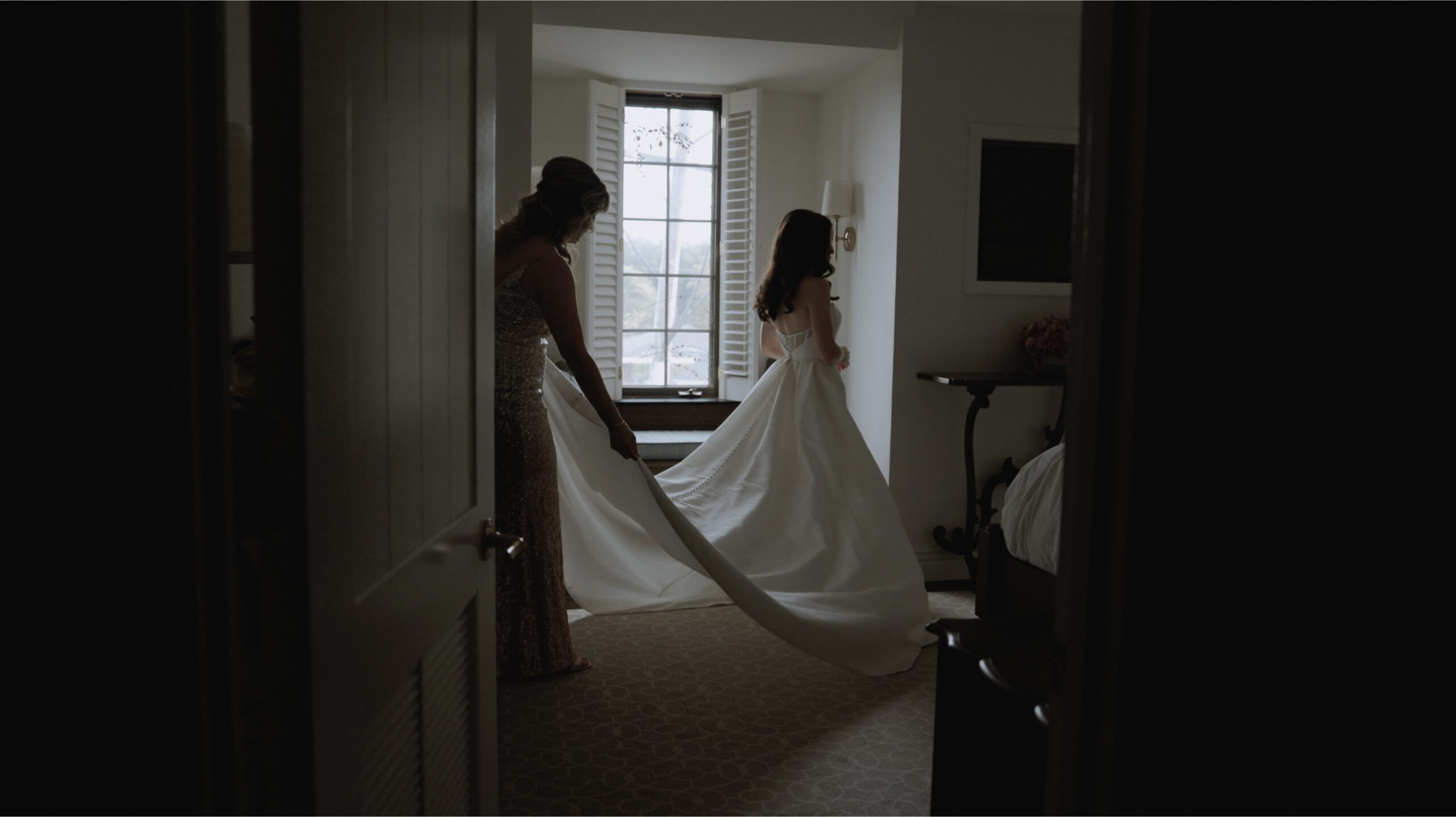

Over 25% of couples now choose destination weddings, making professional videography more crucial than ever. These once-in-a-lifetime celebrations deserve to be captured with the same care and attention you’ve put into selecting your dream location away from home.
Destination wedding videography is the art of professionally documenting your wedding celebration in a location far from your hometown, often in meaningful destinations that offer stunning backdrops for your love story. Unlike standard wedding videography, filming in paradise comes with unique challenges and considerations—from travel logistics and equipment needs to capturing the essence of your chosen location.
When you invest in a destination wedding, professional videography ensures that both the ceremony and the breathtaking location become part of your lasting memories. For friends and family unable to make the journey, these luxury destination wedding films become their window into your special day, allowing them to experience the emotions, scenery, and celebrations they missed.
In this comprehensive guide, we’ll explore everything you need to know about finding the best destination wedding videographers, understanding costs and packages, planning timelines, and ensuring your wedding film captures the magic of both your love story and your chosen paradise.
Why Destination Wedding Videography Matters
When you choose to celebrate your marriage in a faraway location, you’re not just planning a wedding—you’re creating an experience. Destination weddings represent significant emotional and financial investments, making professional documentation absolutely essential.
According to Wedding Chicks, investing in quality photo and video has become a top priority for couples planning destination weddings in 2024 and beyond. This emphasis on professional documentation is especially important in locations where every view is photo-worthy and the entire experience deserves to be preserved.
“Couples are making documentation central in their planning process,” notes Wedding Chicks, “particularly when they’ve chosen a location specifically for its beauty and meaning.” This trend reflects an understanding that destination wedding videography creates cherished keepsakes that capture not just the ceremony but the entire wedding experience in a special location.
Beyond preserving memories for yourselves, destination wedding highlight films serve another crucial purpose: sharing the experience with loved ones who couldn’t attend. While photographs capture still moments, video brings your destination wedding to life for absent friends and family—allowing them to hear your vows, feel the ocean breeze, and experience the celebrations as if they were there.
A professional destination wedding film transforms fleeting moments into lasting memories, capturing:
- The natural beauty and unique character of your chosen location
- The emotions and reactions of you and your guests
- The cultural elements and special touches that made your celebration unique
- The entire journey of your wedding experience, from welcome events to farewell celebrations
Current Trends in Destination Wedding Videography for 2026
The world of destination wedding videography is constantly evolving, with new techniques and styles emerging to better capture these special celebrations. Understanding current trends can help you communicate your vision to potential videographers and ensure your wedding film feels contemporary and meaningful.
Drone Footage: The Essential Aerial Perspective
Drone photography has become an essential tool in destination wedding videography, offering breathtaking aerial shots that showcase both your ceremony and the destination you’ve chosen. According to Green Wedding Shoes, these sweeping, cinematic perspectives have become a must-have element for couples investing in destination wedding videos.
“Drone footage provides context and scale that’s impossible to achieve from the ground,” explains the publication. “For destination weddings especially, these aerial shots become signature moments in the final film, capturing the grandeur of the location and the intimacy of the celebration simultaneously.”
Innovative Storytelling Approaches
Today’s couples want wedding films that go beyond documentation to tell a compelling story. The most sought-after destination wedding videographers combine documentary and editorial styles to reflect both the couple’s personalities and the unique venue they’ve chosen.
This storytelling approach is particularly important for destination settings, where the scenery becomes a character in your love story. Videographers are leveraging cinematic compositions, candid moments, and real-time content capture to create films that feel authentic and emotionally resonant.
Creative Artistic Elements
Modern destination wedding videos often incorporate artistic techniques that add visual interest and emotional depth:
- Motion blur to create dreamlike sequences
- Direct flash for dramatic, editorial-style moments
- Creative transitions that mirror the journey of your relationship
- Thoughtful color grading that enhances the natural beauty of your location
- Mixed media approaches that might incorporate film photography or vintage effects
These artistic choices result in dynamic, artful videos that feel less like traditional wedding documentation and more like cinematic short films about your love story.
Finding the Best Destination Wedding Videographers
Selecting the right videographer for your destination wedding requires careful consideration beyond what you might look for in a local professional. Here’s what to prioritize in your search for the best destination wedding videographers:
Experience with Travel Logistics
Look for videographers who specifically advertise destination wedding services and have documented weddings in multiple countries or remote locations. These professionals understand the complexities of:
- International travel with expensive equipment
- Customs requirements and documentation
- Working in unfamiliar environments with varying weather conditions
- Coordinating with local vendors who may speak different languages
- Backup plans for potential travel disruptions or equipment issues
Portfolio Diversity and Destination Expertise
When reviewing potential videographers’ work, pay special attention to:
- Location diversity: Have they filmed in environments similar to your wedding destination?
- Lighting mastery: Can they handle challenging lighting situations like harsh midday sun or dimly lit reception venues?
- Storytelling approach: Do their films capture both intimate moments and the grandeur of the location?
- Complete wedding films: Request to see full wedding films, not just highlight reels, to assess how they handle the entire day.
Technical Preparedness
International wedding videographers need specialized equipment and technical knowledge:
- Weather-sealed cameras for beach, tropical, or unpredictable environments
- Backup equipment for remote locations
- Knowledge of power requirements in different countries
- Portable lighting solutions for various venues
- Audio equipment that can handle outdoor elements like wind and water
Client Testimonials from Destination Weddings
Seek reviews specifically from couples who hired the videographer for destination events. These testimonials can reveal how the professional:
- Communicated during the planning process
- Handled travel arrangements and logistics
- Adapted to unexpected situations
- Worked with local vendors and wedding planners
- Delivered the final product after returning home
Remember that the best destination wedding videographers often book 12-18 months in advance, especially for popular wedding dates and locations. Starting your search early ensures you can secure a top professional for your celebration.
How to Hire a Destination Wedding Videographer: Step-by-Step Guide
Finding and hiring the perfect videographer for your destination wedding requires more advance planning than for a local event. Follow this timeline to ensure you secure the right professional for your celebration:
Step 1: Begin Research (12-18 Months Before)
Start your search earlier than you would for a local wedding, especially if your wedding is during peak season or in a popular destination. At this stage:
- Browse wedding websites, Instagram, and videography-specific platforms
- Ask your wedding planner or venue for recommended videographers
- Collect references from friends who had destination weddings
- Create a spreadsheet to track potential candidates and their work
Step 2: Create Your Shortlist (10-12 Months Before)
Narrow your options based on these key factors:
- Experience filming in similar destinations or environments
- Style alignment with your vision (documentary, cinematic, editorial)
- Budget compatibility, including travel considerations
- Availability for your dates plus buffer days for travel
Step 3: Conduct Video Consultations (9-10 Months Before)
Schedule video calls with your top 3-5 candidates to assess:
- Communication style and personality compatibility
- Responsiveness and professionalism
- Understanding of your vision and destination
- Willingness to research your specific location
- Ability to answer questions about their destination experience
During these calls, ask about their approach to weather contingencies, equipment transportation, and coordination with other vendors from a distance.
Step 4: Request and Review Detailed Quotes (8-9 Months Before)
Ask for comprehensive proposals that include:
- Base package pricing
- Itemized travel expenses (flights, accommodation, transportation)
- Additional fees for special equipment or drone footage
- Coverage options for welcome events or day-after activities
- Timeline for deliverables
- Payment schedule and cancellation policies
Step 5: Confirm Availability and Book (8 Months Before)
Once you’ve selected your videographer:
- Verify their availability for your exact dates plus travel buffer days
- Pay the deposit and sign the contract
- Add them to your vendor communication list
- Share your preliminary wedding timeline
Step 6: Review Contract Details Thoroughly
Pay special attention to these contract elements:
- Weather contingency plans
- Travel delay provisions
- Cancellation policies (both yours and theirs)
- Equipment backup plans
- Delivery timeline expectations
- Copyright and usage rights for the final films
Step 7: Develop Location-Specific Shot List (3-6 Months Before)
Work with your videographer to create a custom shot list that includes:
- Must-have ceremony and reception moments
- Location-specific shots that showcase your destination
- Cultural elements unique to your wedding location
- Special events beyond the wedding day itself
- Family groupings and key guest moments
Step 8: Finalize Communication Plan (1-3 Months Before)
Establish how you’ll stay in touch during the wedding weekend:
- Exchange local contact information and phone number
- Connect your videographer with your wedding planner
- Confirm meeting times and locations
- Share final timeline and shot list
- Discuss day-of communication preferences
By following this timeline, you’ll ensure a smooth planning process and maximize your chances of securing the best destination wedding videographer for your celebration.
Understanding Destination Wedding Video Packages & Costs
Budgeting for destination wedding videography requires understanding the unique cost factors involved. According to industry research, couples should prepare for higher investment than local wedding coverage due to travel requirements and logistical complexity.
Typical Package Structures
Destination wedding video packages typically fall into three tiers:
Basic Packages ($3,000-$5,000)
- 6-8 hours of coverage on wedding day only
- Single videographer
- 3-5 minute highlight film
- Basic editing and color grading
- Digital delivery
- Travel fees may be additional
Standard Packages ($5,000-$8,000)
- 8-10 hours of wedding day coverage
- Second shooter or assistant
- 5-7 minute highlight film
- Ceremony documentation
- Basic drone footage (location permitting)
- More sophisticated editing and sound design
- Some travel costs often included
Luxury Packages ($8,000+)
- Multi-day coverage (welcome events, rehearsal dinner, wedding day)
- Multiple videographers
- 7-10 minute highlight film plus feature-length documentary
- Premium drone coverage
- Advanced cinematic techniques
- Custom music licensing
- Premium delivery package
- Most travel expenses included
According to Junebug Weddings, drone footage—now considered essential for destination events—may add $1,000-$3,000 to your package depending on location permits and complexity. This additional cost delivers the sweeping aerial views that showcase your chosen paradise to its full advantage.
Multi-day events, which are increasingly common for destination weddings, will increase costs but provide more comprehensive storytelling. These extended packages capture welcome parties, excursions, rehearsal dinners, and day-after brunches—creating a complete document of your wedding journey.
When budgeting, remember that the most significant cost driver for destination wedding videography isn’t necessarily the base package but the travel requirements. Early booking is crucial not only to secure your preferred videographer but also to lock in more favorable travel rates.
Travel Fees and Logistics: What to Expect
Understanding the travel component of destination wedding videography helps prevent budget surprises and ensures smooth logistics. Here’s what typically comprises travel fees and how they’re structured:
Travel Fee Components
Most destination wedding videographers include these elements in their travel costs:
- Flights: Round-trip airfare, often with additional charges for equipment
- Accommodation: Usually 2-3 nights minimum (arrival day, wedding day, departure day)
- Local Transportation: Airport transfers and transportation between venues
- Equipment Considerations: Shipping, insurance, or baggage fees for specialized gear
- Meals and Incidentals: Per diem allowances for food and unexpected expenses
- Visa or Entry Fees: Documentation required for international destinations
Fee Structure Options
Travel expenses may be handled in several ways:
- All-Inclusive Package: Travel costs bundled into the total price
- Flat-Rate Travel Fee: A set amount added to the package price
- Cost Reimbursement: You pay actual expenses as they occur
- Client-Booked Travel: You arrange and pay for flights and accommodation directly
According to Ruffled, transparency in travel fee structure is essential. Their experts recommend asking these specific questions:
- “Is travel included in your package or charged separately?”
- “How many nights of accommodation are required?”
- “Do you need rental cars or will you use local transportation?”
- “What happens if flights are delayed or canceled?”
Contract Considerations for Travel
Your contract should clearly specify:
- Who books travel arrangements (you or the videographer)
- Cancellation policies for weather disruptions or travel restrictions
- Required arrival timing (typically 1-2 days before the wedding)
- Accommodation standards (private room, minimum star rating)
- How additional travel days or unexpected expenses will be handled
International Logistics Planning
For weddings outside your home country, additional considerations include:
- Visa Requirements: Ensure your videographer can legally work in your destination
- Equipment Declarations: Some countries require customs documentation for professional gear
- Power Adapters: Confirm your videographer has appropriate equipment for local power systems
- Language Considerations: Discuss how they’ll handle communication with local vendors
- Insurance Coverage: Verify their equipment and liability insurance covers international work
Building buffer days into your schedule is essential for international destinations. Most experienced videographers recommend arriving at least two days before the wedding to account for potential travel delays, adjust to time differences, and scout locations in advance.
Location-Specific Considerations for Destination Wedding Videography
Each destination presents unique challenges and opportunities for wedding videography. Understanding these location-specific considerations helps you prepare appropriately and choose a videographer with the right experience.
Beach Wedding Videography Challenges
Beach weddings create stunning visuals but present several technical challenges:
- Wind Noise: Ocean breezes can overwhelm standard microphones, making vows and speeches inaudible
- Harsh Sunlight: Midday sun creates unflattering shadows and overexposed footage
- Sand and Salt: These elements can damage equipment without proper protection
- Unpredictable Weather: Sudden rain showers or changing light conditions require adaptability
- Sound Competition: Crashing waves can interfere with ceremony audio
Professional beach wedding videographers combat these challenges with:
- Specialized windscreens and directional microphones
- Multiple audio recording sources
- UV filters and lens hoods for harsh sunlight
- Weather-sealed equipment cases
- Expertise in shooting during “golden hour” for optimal lighting
Tropical Wedding Video Ideas
Tropical destinations offer unique creative opportunities:
- Natural Elements: Incorporating palm trees, ocean waves, and flowers into composition
- Cultural Integration: Weaving local traditions, music, or rituals into the storytelling
- Wildlife Moments: Capturing unexpected animal appearances (birds, sea life) as magical additions
- Water Features: Underwater footage, reflection shots, or rain-enhanced moments
- Sunset Sequences: Taking advantage of the spectacular sunsets typical of tropical locations
When planning tropical wedding videography, consider:
- Humidity protection for equipment
- Backup plans for rain seasons
- Earlier ceremony times to avoid afternoon storms
- Lighting solutions for typically dark reception venues
Mountain, Desert, and Other Extreme Environments
Each unique environment requires specific preparation:
Mountain Weddings
- Dramatic elevation changes requiring specialized stabilization equipment
- Thin air affecting equipment performance and battery life
- Rapidly changing weather conditions
- Challenging audio environments with wind and echoes
- Breathtaking panoramic opportunities for drone footage
Desert Celebrations
- Extreme temperature fluctuations affecting equipment
- Dust protection for cameras and lenses
- Harsh lighting requiring specialized filters
- Limited power source availability
- Stunning landscape opportunities for sunset and night sky footage
Winter Destination Weddings
- Cold-weather battery solutions
- Snow and moisture protection
- Reflective light challenges
- Limited daylight hours for filming
- Magical opportunities for capturing snow-covered landscapes
The most experienced destination wedding videographers come prepared with location-specific gear, backup solutions, and creative approaches tailored to your particular environment. During consultations, ask potential videographers about their specific experience in your chosen setting and what special equipment or techniques they’ll employ to capture its unique beauty.
Popular Destination Wedding Video Styles and Technical Elements
Understanding different videography styles helps you communicate your vision and select a professional whose aesthetic aligns with your preferences. Luxury destination wedding films typically incorporate several distinct approaches:
Cinematic Approach
Cinematic destination wedding videography transforms your celebration into a movie-like experience through:
- Thoughtful Composition: Carefully framed shots that consider foreground, background, and leading lines
- Deliberate Camera Movement: Smooth, controlled movements that guide the viewer’s eye
- Dramatic Lighting: Creative use of natural and artificial light to create mood
- Cinematic Color Grading: Post-production color enhancement that creates a cohesive visual style
- Narrative Structure: Storytelling techniques that build emotional momentum
According to Green Wedding Shoes, this approach remains the most requested style for destination weddings because it elevates the footage beyond simple documentation to create an artistic interpretation of your day.
Documentary Style
Documentary wedding videography focuses on authentic moments and natural interactions:
- Candid Capture: Unposed, real moments as they unfold
- Journalistic Approach: Following the day’s events without intervention
- Natural Audio: Capturing ambient sounds, conversations, and genuine reactions
- Emotional Focus: Prioritizing human connections and reactions
- Chronological Storytelling: Following the natural flow of the day
This style is particularly valuable for destination weddings as it captures not just the ceremony but also the unique interactions of guests experiencing a new location together.
Aerial Footage Options
Drone footage has revolutionized destination wedding videography by providing:
- Establishing Shots: Showcasing the location’s grandeur and setting the scene
- Revealing Movements: Dramatic pullback shots that reveal the landscape
- Overhead Perspectives: Unique angles impossible to achieve from the ground
- Tracking Sequences: Following the couple through picturesque settings
- Environmental Context: Showing how your venue fits within the broader landscape
Drone regulations vary significantly between countries and specific locations. Experienced international wedding videographers will understand permit requirements and no-fly zones in your destination, ensuring legal and safe aerial coverage.
Audio Considerations for Outdoor Locations
Superior audio quality is essential for emotional impact in wedding films. In destination settings, this requires:
- Multiple Recording Sources: Lapel microphones, ceremony sound system feeds, ambient recorders
- Environmental Protection: Windscreens and isolation from background noise
- Backup Systems: Redundant audio capture to prevent loss of vows or speeches
- Location-Specific Solutions: Different approaches for beach, mountain, or urban settings
When reviewing potential videographers, pay special attention to the audio quality in their outdoor ceremony samples—clear vows and speeches are crucial for the emotional impact of your final film.
Working with Your Videographer Remotely: Communication Strategies
Planning a destination wedding from afar requires excellent communication with all vendors, especially your videographer. Implementing effective remote collaboration strategies ensures everyone shares the same vision despite the distance.
Pre-Wedding Planning Tools
Successful destination wedding videography relies on these digital planning resources:
- Shared Pinterest Boards: Visual references for style, shots, and overall aesthetic
- Digital Shot Lists: Collaborative documents detailing must-have moments
- Location Galleries: Shared albums of venue and location images for preparation
- Virtual Venue Tours: Video walkthroughs of key locations when possible
- Timeline Management Apps: Digital tools for coordinating across time zones
Location Scouting Approaches
Since in-person scouting isn’t always possible, videographers typically use these methods:
- Research-Based Preparation: Studying previous weddings at your venue, location photos, and satellite imagery
- Early Arrival: Planning to arrive 1-2 days before the wedding for on-site scouting
- Vendor Collaboration: Connecting with local planners or photographers who know the venue
- Virtual Scouting: Reviewing video calls or FaceTime tours conducted by on-site planners
- Sun Position Apps: Using technology to predict lighting conditions at your specific location and date
Creating an Effective Shot List
Your shot list for a destination wedding should include:
- Standard Wedding Moments: Preparations, ceremony, first dance, speeches
- Location-Specific Opportunities: Unique architectural features, natural landscapes, local culture
- Guest Experiences: Reactions to the destination, participation in local activities
- Detail Elements: How local elements are incorporated into your decor and experience
- Timing-Specific Shots: Sunset moments, night sky, golden hour portraits
Be specific about shots that showcase why you chose your destination, but also allow flexibility for spontaneous opportunities that arise.
Timeline Planning for Different Locations
Destination timeline planning requires special consideration for:
- Light Conditions: Scheduling key moments during optimal natural lighting
- Heat Considerations: Avoiding outdoor filming during extreme temperatures
- Travel Time: Building in realistic transitions between multiple locations
- Cultural Factors: Accommodating local customs or restrictions
- Guest Experience: Balancing filming needs with overall guest comfort
Post-Wedding Communication Plan
Before your wedding, establish a clear plan for:
- Initial Delivery: When and how you’ll receive your first teaser or preview
- Feedback Mechanism: How you’ll provide input on draft versions
- Revision Process: Number of revisions included and timeline for each
- Final Delivery Method: Digital download, custom USB, or online gallery
- Social Media Usage: Guidelines for both you and the videographer
Clear communication expectations prevent frustration during the post-production period when you’ve returned home and your videographer is working on your films.
Handling Unexpected Challenges in Destination Wedding Videography
Even the most carefully planned destination weddings encounter unexpected challenges. Experienced destination wedding videographers prepare for these contingencies to ensure beautiful results regardless of circumstances.
Weather Contingency Planning
Adverse weather requires quick adaptation:
- Rain Plans: Indoor backup locations and creative rainy-day shooting strategies
- Wind Solutions: Audio protection, stabilization equipment, and hair/dress management
- Extreme Temperatures: Equipment protection from heat or cold and adjusted shooting schedules
- Unexpected Weather Events: Emergency timeline adjustments and creative problem-solving
The best international wedding videographers arrive with weather-specific gear and a flexible mindset. During consultations, ask potential hires: “What’s the most challenging weather situation you’ve faced at a destination wedding, and how did you handle it?”
Travel Issues and Solutions
Travel disruptions require preparation:
- Delayed Flights: Buffer days built into the schedule to accommodate potential delays
- Lost Equipment: Contingency plans for equipment rental or emergency shipping
- Visa or Entry Problems: Documentation preparation and backup videographer networks
- Health Emergencies: Insurance coverage and local professional contacts
Your contract should specify what happens if travel disruptions prevent timely arrival, including partial refund policies or replacement videographer provisions.
Technical Challenges in Remote Locations
Remote locations present unique technical hurdles:
- Power Outages: Battery backups and charging strategies
- Limited Internet Access: Offline workflow capabilities and local storage solutions
- Equipment Failures: Backup cameras, lenses, and recording devices
- Environmental Damage: Protection from sand, water, humidity, and extreme conditions
During your videographer search, prioritize professionals who bring redundant systems and backup equipment to every destination wedding—these precautions are essential for locations where replacement gear isn’t readily available.
Questions to Ask About Contingency Planning
Before booking, ask these critical questions:
- “What backup equipment do you travel with for destination weddings?”
- “How many days before the wedding do you typically arrive?”
- “What happens if you face significant travel delays?”
- “Do you have experience with the specific challenges of our destination?”
- “Can you share examples of how you’ve handled unexpected situations at previous destination weddings?”
- “Does your team include backup videographers in case of emergency?”
- “How do you protect equipment in our specific environment (beach, mountains, etc.)?”
The most reliable beach wedding videography professionals and international wedding videographers won’t be offended by these questions—they’ll appreciate your thoroughness and respond with detailed contingency plans that demonstrate their experience.
Making Your Final Decision: Choosing Your Destination Wedding Videographer
After researching options, conducting consultations, and reviewing proposals, you’ll need to make your final decision. Consider these factors when selecting the best destination wedding videographer for your celebration:
Portfolio Alignment
- Does their work consistently demonstrate mastery of your preferred style?
- Have they filmed in locations similar to your destination?
- Do their films capture both emotional moments and environmental context?
- Does their editing style, pacing, and music selection resonate with you?
- Do they showcase technical skills needed for your specific location (drone work, underwater filming, etc.)?
Experience and Reliability
- How many destination weddings have they filmed?
- Do they have specific experience in your chosen country or region?
- Can they provide references from couples with similar destination weddings?
- Do they have systems for handling travel logistics and potential disruptions?
- Are they legally able to work in your destination (visas, permits, etc.)?
Communication and Compatibility
- Do they respond promptly and professionally to your inquiries?
- Do they listen to your vision and ask thoughtful questions?
- Do they offer guidance based on their destination experience?
- Do you feel personally comfortable with them?
- Can they communicate effectively despite potential language or time zone differences?
Contract and Business Practices
- Is their contract comprehensive, especially regarding travel contingencies?
- Are their payment terms and cancellation policies reasonable?
- Do they carry appropriate insurance for international work?
- Is their pricing transparent, particularly regarding travel expenses?
- Do they offer adequate protection for your investment?
Trust Your Instincts
Ultimately, the right destination wedding videographer will inspire confidence through their:
- Enthusiasm for your specific location
- Proactive problem-solving approach
- Clear communication style
- Creative vision that aligns with yours
- Professional systems for planning and delivery
Remember that for destination weddings especially, the relationship with your videographer extends beyond a single day. You’ll be working together through months of planning, the wedding events themselves, and the post-production period—making personal compatibility and trust particularly important.
Conclusion: Investing in Memories That Last a Lifetime
Destination wedding videography represents one of the most valuable investments you’ll make in your wedding experience. While flowers wilt and cake is consumed, your wedding film will continue to transport you back to your celebration in paradise for decades to come.
Throughout this guide, we’ve explored the essential elements of destination wedding videography—from understanding packages and costs to selecting the right professional, managing remote planning, and preparing for unique challenges. The key takeaways include:
- Book your destination wedding videographer 12-18 months in advance to secure top talent
- Budget realistically for both the base package and travel expenses
- Choose a professional with specific experience in your destination type
- Communicate clearly about your vision, must-have shots, and expectations
- Plan for contingencies, especially weather and travel disruptions
- Consider the value of additional services like drone footage and multi-day coverage
Remember that destination wedding videography isn’t just about documenting your ceremony—it’s about capturing the entire experience of celebrating your love in a meaningful location. Your film will preserve not only your vows and first dance but also the sunsets, landscapes, cultural elements, and shared adventures that made your destination wedding unique.
For friends and family unable to attend, your destination wedding highlight films will be their window into this special chapter of your love story. For you, these films will become treasured heirlooms, allowing you to revisit your paradise celebration whenever you wish.
As you embark on your destination wedding planning journey, prioritize finding a videographer whose work resonates with you, whose experience inspires confidence, and whose communication style puts you at ease. With the right professional capturing your celebration, you can fully immerse yourself in your wedding day, knowing that every special moment will be preserved beautifully for a lifetime.
Ready to Find Your Perfect Destination Wedding Videographer?
Begin your search today—explore portfolios, schedule consultations, and secure your date with a professional who can capture the magic of both your love story and your chosen paradise. The sooner you book, the better your chances of securing your first-choice videographer for your dream destination wedding.
Before finalizing your videographer decision, be sure to review our guide on essential questions to ask before hiring a wedding videographer to ensure you’ve covered all the important details.
If you’re specifically planning a wedding in the Chicago area but considering bringing in a destination specialist, our article on hiring a wedding videographer in Chicago provides valuable insights about the local market that can help with your comparison.
Curious what this looks like in practice? Watch a few of my Chicago wedding films, or explore my pricing and packages.